
 Joe Differentiators

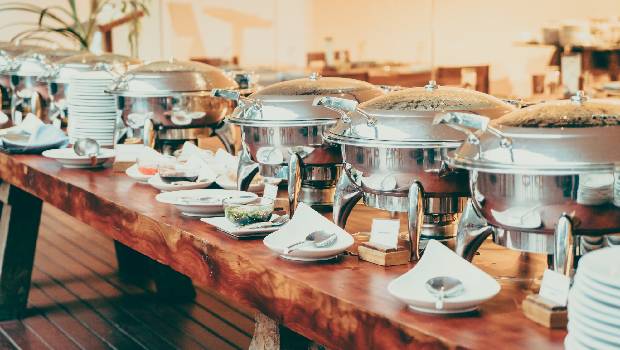
Picture this: you're at a wedding reception, and the caterer serves an unusual combination that makes everyone stop mid-conversation. Perhaps it's a delicate rose-infused biryani paired with tangy pomegranate raita, or maybe tandoori prawns with a surprising hint of chocolate spice rub. These aren't accidents – they're the result of culinary science that Gurgaon caterers have mastered to create unforgettable dining experiences.
The art of flavor pairing goes far beyond traditional recipes. It's a fascinating blend of chemistry, psychology, and cultural understanding that transforms ordinary meals into extraordinary memories. When professional caterers understand the science behind why certain flavors work together, they can craft menus that surprise and delight guests in ways they never expected.
How Top Caterers in Gurgaon Master Flavor Chemistry
The foundation of exceptional flavor pairing lies in understanding how our taste buds and nose work together. Professional caterers know that what we perceive as "taste" is actually a complex interaction between five basic tastes – sweet, sour, salty, bitter, and umami – combined with thousands of aromatic compounds that create flavor.
Top caterers in Gurgaon have discovered that successful flavor pairing often comes from finding ingredients that share similar molecular compounds. This scientific approach explains why seemingly odd combinations work so well. Take the classic pairing of chocolate and chili – both contain compounds that enhance each other's intensity while creating a perfect balance of sweet heat.
Understanding molecular gastronomy principles allows caterers to experiment with unexpected combinations that work on a scientific level. For instance, the compound vanillin found in vanilla also appears in certain aged cheeses, which explains why cheese platters often include vanilla-scented accompaniments. Similarly, the terpenes present in citrus fruits can be found in fresh herbs like rosemary and thyme, creating natural flavor bridges that experienced caterers exploit.
The magic happens when caterers identify these shared molecular bridges. For instance, basil and tomatoes share certain volatile compounds, which is why they're a match made in culinary heaven. Similarly, the reason mango and sticky rice work so beautifully together goes beyond cultural tradition – they complement each other on a molecular level.
The Art of Food Catering: Balancing Tradition with Innovation
Creating memorable menus requires food catering professionals to walk a delicate line between honoring traditional flavors and introducing exciting new combinations. The most successful caterers understand their audience while pushing creative boundaries.
Consider how innovative caterers might approach a traditional Indian thali. Instead of serving the usual dal-chawal combination, they might introduce black lime rice with kokum-infused lentils, creating an unexpected twist that still feels familiar and comforting. The key is understanding which flavor profiles can be enhanced without losing the dish's cultural essence.
This scientific approach to food catering also involves understanding the temperature interplay between dishes. Hot and cold elements on the same plate create textural contrast that excites the palate. Think of how a warm, spiced kebab paired with cool mint chutney creates a symphony of sensations that neither element could achieve alone.
Professional caterers also understand the importance of fat-soluble and water-soluble flavor compounds. Oil-based marinades carry different flavors than water-based ones, and skilled caterers leverage this knowledge to layer complex taste profiles. They might use ghee to carry warm spices in one element of the dish while using yogurt-based preparations to deliver cooling herbs and tangy notes in another component.
Understanding Cultural Palate Preferences and Regional Influences
Every region has its unique flavor preferences developed over centuries of culinary evolution. Professional caterers understand that successful flavor pairing must respect these cultural foundations while introducing gentle innovations that expand the palate without shocking it.
The Indian subcontinent's diverse regional cuisines offer endless opportunities for creative cross-pollination. A skilled caterer might combine the coconut-based gravies of South India with the robust spice blends of North India, creating fusion dishes that feel both familiar and exciting. The key lies in understanding which flavor compounds are universally appealing across different regional preferences.
Regional ingredients also play a crucial role in flavor pairing success. Local produce carries familiar flavor notes that make unusual combinations more acceptable to traditional palates. When caterers use regionally-sourced ingredients as bridge elements, they can introduce international flavors while maintaining cultural authenticity. For instance, using locally-grown mint to bridge Mediterranean and Indian flavors creates combinations that feel natural rather than forced.
The Psychology Behind Flavor Perception and Memory
The science of flavor pairing extends beyond chemistry into the realm of psychology and memory. Professional caterers understand that taste is deeply connected to emotional memories and cultural associations. This knowledge allows them to craft menus that not only satisfy the palate but also create emotional connections with guests.
Color psychology plays a significant role in flavor perception. The visual presentation of food influences how we taste it before we even take the first bite. Skilled caterers use this knowledge to enhance flavor combinations through strategic color pairing. Deep red elements might be paired with golden yellows to create visual warmth that enhances the perception of comfort foods, while green and white combinations might be used to suggest freshness and lightness.
Texture also impacts flavor perception in profound ways. The contrast between creamy and crunchy elements can make simple flavor combinations seem more complex and satisfying. Professional caterers layer these textural contrasts strategically, understanding that the physical sensation of eating contributes significantly to the overall flavor experience. A smooth dal might be topped with crispy fried onions not just for taste, but because the textural contrast enhances the perception of both elements.
The Future of Innovative Catering
As the catering industry evolves, the science of flavor pairing continues to open new possibilities. Modern caterers are experimenting with fermentation techniques, unusual spice blends, and international fusion concepts that would have seemed impossible just a few years ago.
The beauty of this scientific approach is that it doesn't replace intuition and cultural knowledge – it enhances them. When Gurgaon caterers combine traditional cooking wisdom with modern flavor science, they create dining experiences that honor the past while exciting contemporary palates.
Understanding flavor pairing science also helps caterers accommodate diverse dietary preferences without compromising on taste. They can create vegan dishes that satisfy meat-lovers or gluten-free options that don't feel like substitutions but rather like deliberate, delicious choices.
Creating Memorable Experiences Through Thoughtful Pairing
The ultimate goal of mastering flavor pairing science isn't just to create unusual combinations – it's to craft experiences that guests remember long after the last bite. When caterers understand why certain flavors work together, they can design menus that tell stories, evoke emotions, and create conversations.
Every successful flavor pairing starts with understanding the basic principles: complementary flavors that enhance each other, contrasting elements that create excitement, and bridge ingredients that tie unexpected combinations together. But the real magic happens when caterers apply this knowledge while considering their guests' cultural backgrounds, dietary preferences, and the occasion being celebrated.
The science of flavor pairing has transformed modern catering from simply providing food to creating culinary adventures. As more professionals embrace these techniques, guests can expect increasingly sophisticated and surprising menu combinations that challenge their expectations while satisfying their deepest cravings.
Whether it's a intimate family gathering or a grand celebration, the careful application of flavor pairing science ensures that every meal becomes a memorable experience that guests will talk about for years to come.
z