
 Joe Differentiators

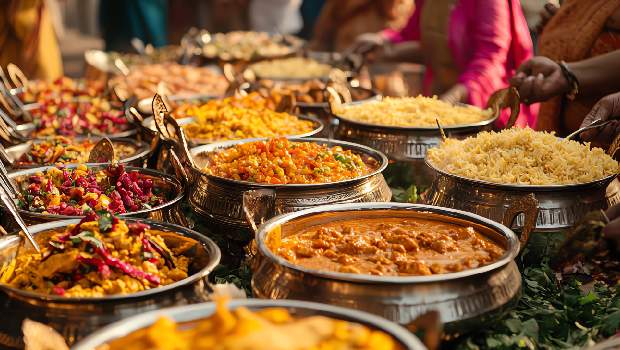
Seventy-year-old Mrs. Kamla Devi's eyes lit up when she tasted the Bathua ka Saag at her grandson's wedding reception. "I haven't had this in thirty years," she whispered, tears forming as memories of her mother's kitchen came flooding back. "I thought this recipe was lost forever when we moved to the city.
This magical moment isn't rare anymore. Across Gurgaon's celebration venues, a quiet revolution is brewing in the kitchens of forward-thinking caterers. They're not just serving food—they're resurrecting culinary ghosts, bringing back dishes that once filled the homes of our ancestors but had slowly vanished from modern tables. These catering services in Gurgaon are becoming time travelers, journeying back through generations to rediscover the authentic flavors that shaped our cultural identity.
The Great Culinary Amnesia: What We Lost Along the Way
Walk into any modern Indian household today, and you'll likely find ingredients that would puzzle your great-grandmother. Instant masala mixes, processed grains, and exotic vegetables have replaced the simple, earthy ingredients that once formed the backbone of Haryanvi cuisine. But what exactly disappeared during our rush toward modernity?
The answer lies buried in dusty recipe notebooks, in the fading memories of village elders, and in the abandoned techniques that once turned simple ingredients into extraordinary meals. Makki di Roti with Til ki Chutney, Kheer made with Gur, and Methi Mathri that could last for weeks without refrigeration—these weren't just foods, they were survival strategies perfected over centuries.
The real tragedy isn't just that we stopped making these dishes; it's that we stopped understanding why they were made. Each recipe carried wisdom about nutrition, seasonal eating, and food preservation that modern science is only now beginning to appreciate. When families migrated from villages to cities like Gurgaon, they often left behind more than just their ancestral homes—they abandoned entire food systems that had sustained generations.
But here's where the story takes a fascinating turn. The same urbanization that once threatened these traditions is now driving their revival. Sophisticated caterers for home party events are discovering that clients crave authenticity in an increasingly artificial world. They want their celebrations to mean something deeper than just Instagram-worthy presentations.
The Culinary Archaeologists: Modern Caterers as Heritage Hunters
Imagine a chef spending his weekends in forgotten villages, notebook in hand, learning from elderly women who still remember their grandmothers' recipes. This isn't a romantic fantasy—it's exactly what passionate culinary professionals across Gurgaon are doing today.
These modern-day food archaeologists are uncovering treasures that would make any historian jealous. Take Churma Laddu, for instance—not the sweet shop version loaded with sugar, but the original energy-dense creation made with coarse wheat, jaggery, and ghee that farmers once carried to sustain them through long days in the fields. Or consider Bajre ki Khichdi, a humble dish that provided complete nutrition during harsh winters when fresh vegetables were scarce.
What makes this revival movement extraordinary is the detective work involved. Recipes weren't written down with precise measurements—they lived in the muscle memory of cooks who gauged spice levels by aroma, cooking times by instinct, and consistency by feel. Modern caterers are learning to decode these sensory instructions, translating generations of intuitive cooking into replicable techniques.
The challenge goes beyond just recipes. Traditional cooking vessels, specific varieties of grains, and even the wood used for smoking dishes—every element matters when recreating authentic flavors. Wedding caterers who commit to this level of authenticity often find themselves becoming experts in agricultural heritage, sourcing rare ingredients that commercial suppliers had long abandoned.
The Lost Art of Seasonal Eating: Wisdom Your Body Remembers
Your grandmother never needed a nutritionist to tell her what to eat when. She understood something profound that modern society has forgotten: food isn't just fuel, it's medicine, and like medicine, it needs to match the season and the body's changing needs.
Traditional Haryanvi cuisine followed nature's calendar with precision that bordered on genius. Summer brought cooling foods like Kachri ki Sabzi and Lassi with Pudina, while winter tables featured warming dishes like Gajar ka Halwa and Til ki Gajak. These weren't arbitrary choices—they were responses to the body's seasonal requirements, developed through centuries of observation and experience.
Modern catering services in Gurgaon that embrace this seasonal wisdom often surprise their clients with the remarkable difference it makes. Guests at summer weddings feel refreshed rather than sluggish when served traditional cooling dishes. Winter celebration menus featuring warming spices and hearty grains create a sense of comfort that transcends mere satisfaction.
But the seasonal approach goes deeper than just comfort. Traditional preservation techniques—sun-drying vegetables, fermenting grains, and oil-curing pickles—weren't just methods of extending shelf life. They were ways of transforming nutritional profiles, making foods more digestible and increasing their health benefits. When modern caterers employ these techniques, they're not just creating authentic flavors; they're delivering superior nutrition.
The Alchemy of Authentic Ingredients: Why Everything Tastes Different
There's something almost magical that happens when you taste Dal cooked in pure mustard oil versus refined cooking oil, or Roti made from stone-ground flour versus machine-processed wheat. The difference isn't subtle—it's transformative, like comparing a live musical performance to a recording.
The secret lies in understanding that ingredients aren't interchangeable components in a recipe—they're living elements that interact in complex ways. The earthiness of clay-pot cooking, the smokiness of wood-fired stoves, and the richness of cold-pressed oils create flavor compounds that simply cannot be replicated with modern shortcuts.
Dedicated caterers for home party celebrations are going to extraordinary lengths to source these authentic ingredients. They're finding farmers who still grow heritage varieties of rice that have unique textures and flavors. They're connecting with traditional oil pressers who extract mustard oil the old-fashioned way, preserving its characteristic pungency and nutritional properties.
This commitment to authenticity often requires building entirely new supply chains. Many traditional ingredients had virtually disappeared from commercial markets, surviving only in small pockets where families continued using them for personal consumption. Caterers serious about heritage cuisine often become patrons of these micro-producers, helping preserve both ingredients and traditional production methods.
The Emotional Archaeology: How Food Unlocks Family Memories
Food carries memories in ways that photos and stories cannot. The aroma of Gud ki Roti baking on a tawa can instantly transport someone back to their childhood, recreating not just flavors but entire emotional landscapes. This is the profound power that wedding caterers tap into when they serve authentic traditional dishes.
These culinary memories aren't just personal—they're generational. When three generations of a family sit together at a celebration, sharing dishes that their ancestors ate, something beautiful happens. Stories emerge, connections deepen, and cultural transmission occurs naturally. The youngest family members don't just taste new flavors; they inherit pieces of their heritage.
Modern celebrations that feature heritage cuisine often become unexpected family reunions with the past. Elderly relatives become storytellers, sharing memories triggered by familiar tastes. Children ask questions about ingredients they've never encountered. The food becomes a conversation starter that bridges generational gaps in ways that formal family discussions rarely achieve.
This emotional dimension explains why authentic heritage cuisine is becoming increasingly popular among catering services in Gurgaon. Clients are discovering that these traditional dishes create celebration experiences that feel deeper and more meaningful than conventional catering approaches.
The Renaissance of Regional Identity: Celebrating Who We Really Are
In a world where globalization often feels like cultural homogenization, the revival of regional cuisine represents something precious—a celebration of unique identity. Haryanvi food culture has characteristics that distinguish it from neighboring regions, reflecting the specific geography, climate, and agricultural patterns of this land.
The robust flavors, the emphasis on dairy products, the creative use of seasonal vegetables—these elements tell the story of a people who worked the land, understood their environment, and created a cuisine perfectly adapted to their lifestyle. When modern caterers revive these dishes, they're not just serving food; they're celebrating regional identity and cultural pride.
This revival movement is also correcting historical misconceptions about traditional Indian cuisine. For too long, restaurant versions of Indian food had convinced people that authentic dishes were either too simple or too complex for celebration dining. The reality is quite different—traditional dishes possess a sophistication that comes from perfect balance rather than elaborate preparation.
The Future Keepers: Ensuring These Treasures Don't Disappear Again
The most exciting aspect of this culinary revival is its sustainability. Unlike previous generations where recipes disappeared when their keepers passed away, modern caterers are documenting, standardizing, and teaching these traditions to new generations of cooks.
Culinary schools are beginning to include heritage cuisine modules in their curricula. Young chefs are learning not just how to cook traditional dishes, but why they were created, what nutritional wisdom they embody, and how they connect to broader cultural practices.
Wedding caterers and event specialists who master heritage cuisine are finding themselves in unique positions. They become cultural ambassadors, introducing clients to their own forgotten heritage while creating celebration experiences that honor the past and inspire the future.
The Gurgaon food time machine isn't just about nostalgia—it's about recognizing that our ancestors were sophisticated food scientists who created remarkable solutions to nutritional, seasonal, and preservation challenges. By reviving their wisdom, modern caterers aren't looking backward; they're moving forward with deeper understanding and greater appreciation for the remarkable culinary heritage that shaped who we are.
As this movement grows, every traditional dish served at a modern celebration becomes an act of cultural preservation, ensuring that the food wisdom of previous generations continues to nourish both body and soul for generations to come.